There’s a particular kind of wardrobe frustration that happens when you actually have a wardrobe full of clothes.
You know the kind... when the wardrobe is so full that opening it feels daunting, when the drawers are so packed that you can’t even remember what’s in there, and the soft-close mechanism is getting stuck. When you reach for items and realise there are things with the tags still attached, things you bought because you absolutely loved them in the shop, things you used to wear constantly but now they just don’t feel right, and things you keep because you might, possibly, one day need them.
Yet, somehow, you still have nothing to wear.
While it may seem like the clear-cut answer is to buy something new, I can promise you that this is the worst thing to do. I’ve found through working with clients that buying more clothes when your wardrobe is already causing such a huge amount of overwhelm is the very thing that makes the problem harder to solve.
And just in case you thought I was going to suggest a Marie Kondo minimalist clear-out moment, a wardrobe that works well isn’t necessarily one with fewer clothes. Equally, it doesn’t always mean more expensive clothes or a perfectly curated selection of ‘core essentials’.
A wardrobe that works is one where you really understand what you have, how to wear it in a way that feels authentic to your own personal style and how to bring in pieces that work in harmony with what you already own. It sounds simple… right? Actually, I’ll level with you, it’s one of the hardest things to do when you don’t know where to start.
So here are five things I come back to again and again when I’m working with someone’s wardrobe.
1. Pay attention to what you actually wear
It sounds SO obvious, but your wardrobe already contains a huge amount of information about your personal style. The shapes you gravitate towards, the colours you reach for, the textures you love. Noticing these patterns is the first step.
Start by looking at the things you reach for without thinking; the jeans you always put back on, the jacket that somehow makes everything feel better, the shoes you wear far more often than the beautiful pair sitting untouched in the box.
Maybe you consistently choose a particular neckline, or perhaps you feel better in a slightly oversized silhouette, or you always end up adding a belt. Maybe your favourite outfits are built around trousers rather than dresses, or you wear colour more confidently than you think you do.
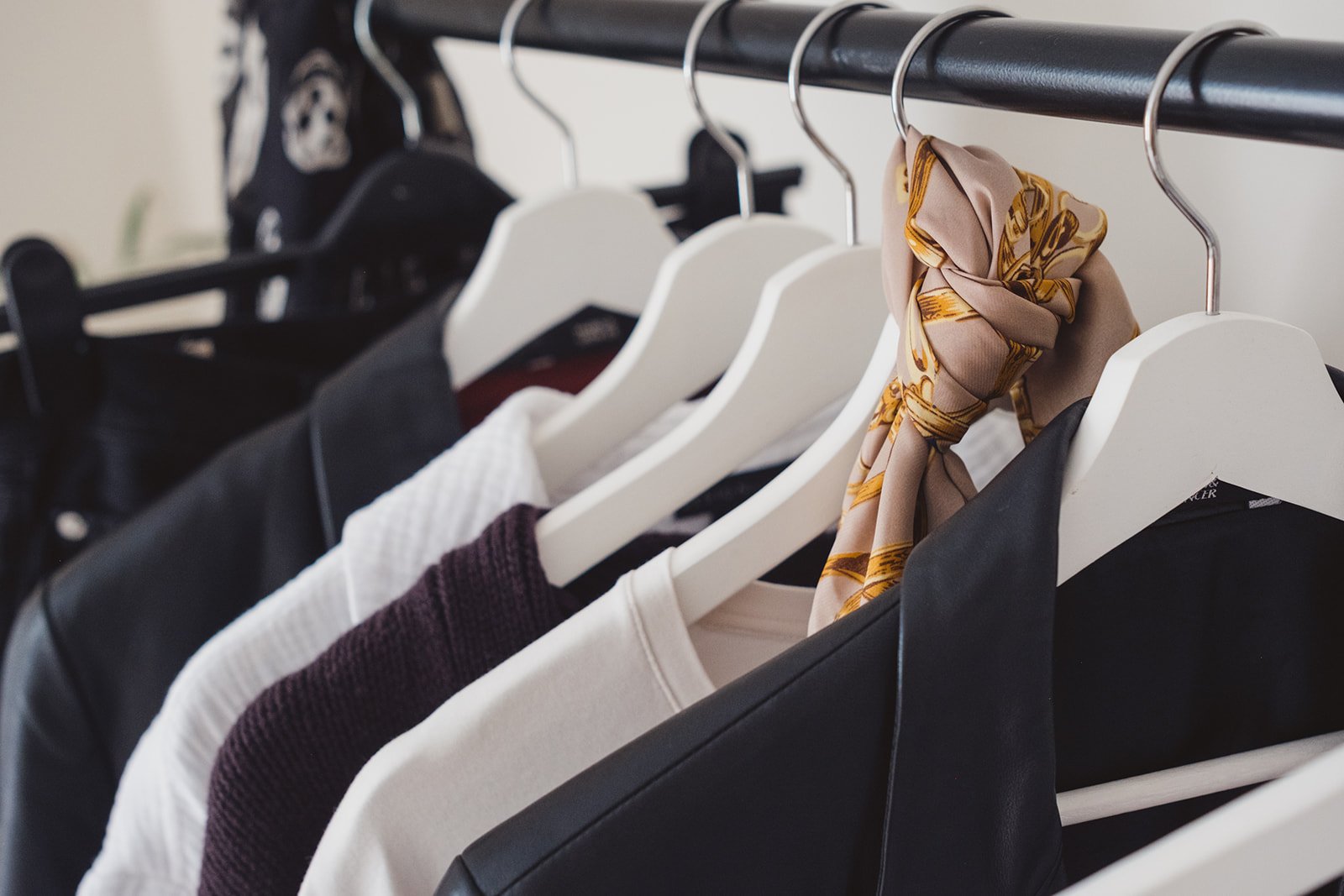
Tip: For 30 days, start monitoring what you wear. Turn all your hangers the opposite way, and at the end of the month, see what’s left. Why haven’t you reached for it, and what did you reach for the most? Another tip my clients love is to take photos of your favourite outfits in the mirror. You don’t need to share them with anyone else, but you want to start looking for those patterns.
This is much more useful information than looking at a trend report and deciding you need this season’s silhouette. Your most-worn clothes are giving you clues about what feels comfortable, flattering, practical and like you. Start there.
2. Stop saving your clothes for an occasion
We all have them. The dress that’s ‘too nice’ for the supermarket, the boots we’re saving for an occasion, the expensive knit that barely leaves the wardrobe because we’re frightened of ruining it.
So I’m going to say it out loud: clothes are not investments if they’re never worn. If you really want to get that cost-per-wear down, they need to be worn, and honestly, tomorrow isn’t promised, so why wait?
Of course, some pieces genuinely need looking after. Good garment care, sensible washing and the occasional alteration can make a huge difference to how long something lasts, but there’s a difference between caring for your clothes and being so precious about them that they never get a chance to become part of your life.
Just wear it! And if you’re struggling because it’s a cute dress and we’re in winter, try it over jeans… find a way to wear it for the weather, and it may just become your next favourite outfit combination.
The point of having clothes you love is to actually experience wearing them.
3. Learn what makes an outfit feel like you
Personal style isn’t necessarily about having a distinctive aesthetic or being able to name your “style personality”.
Sometimes it’s much simpler than that. I like my clients to think about the details that repeatedly appear in the outfits they love; maybe it’s a strong shoulder, a particular colour combination, a stack of vintage jewellery, or the way you balance something oversized with something more fitted. These little choices are often where personal style lives.
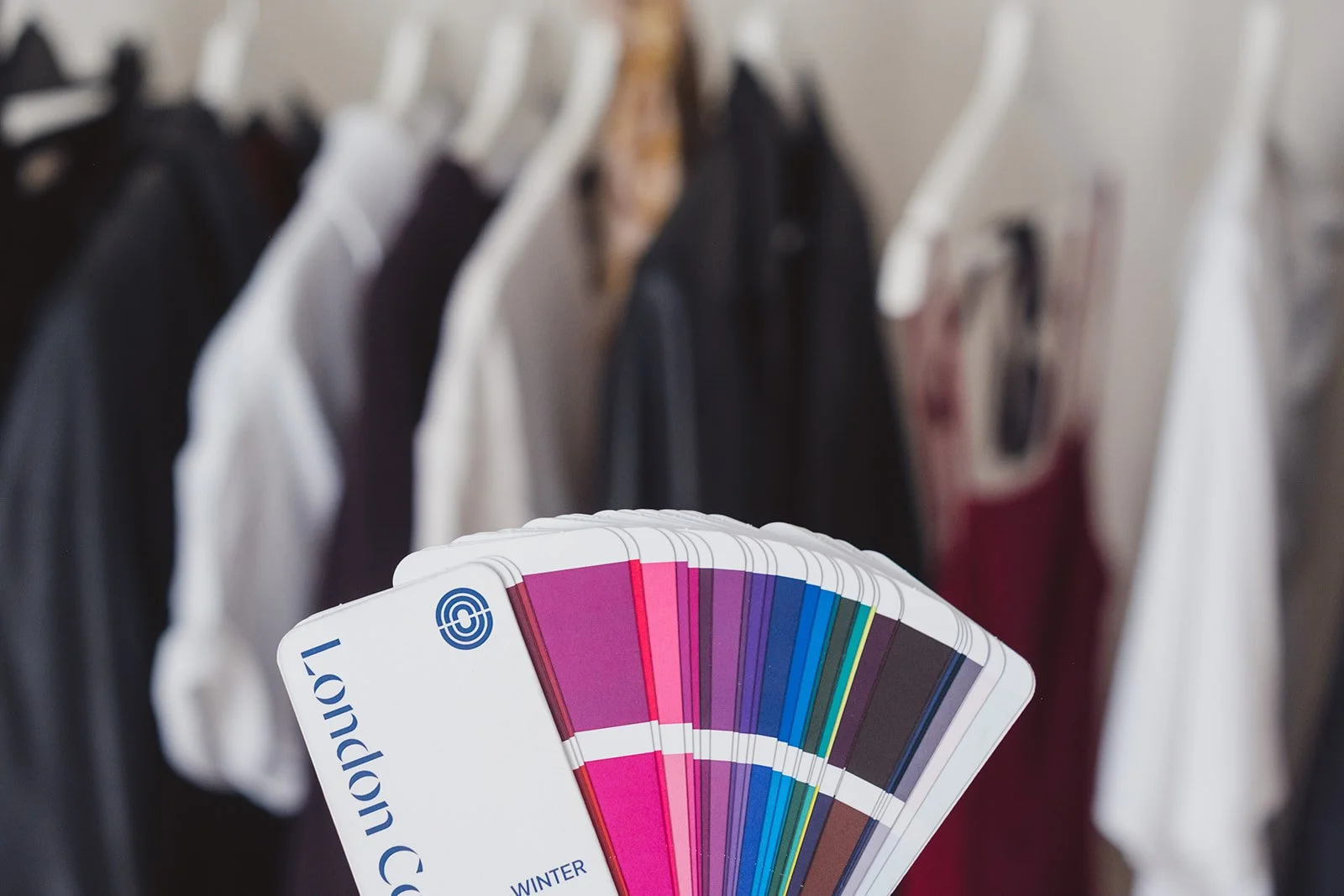
This is also why I don’t believe in rigid styling rules. While I offer colour analysis, body shape and proportion sessions, as they can all be incredibly useful tools, they’re not instructions. And if your colour season is the opposite of the colours you love, then ignore it. The same goes for body shape; as an hourglass, I’m meant to wear clothing that cinches at the waist, and while I sometimes do this, I prefer an oversized silhouette with a strong shape.
You don’t have to stop wearing something because someone has decided it isn’t “for your shape”. The goal is understanding, not restriction.
4. Make your clothes work harder before you buy more
Before adding something to your wardrobe, look at what you already own and ask a slightly different question: What could I wear this with?
And don’t just go for the obvious answer. Have a dress you only wear for occasions? Try it with trousers and a top layered underneath.
Sometimes a piece you’ve written off isn’t actually the problem; it just hasn’t found the right combination yet.
This is one of my favourite parts of personal styling because it can completely change the way someone sees their wardrobe. A client will often tell me they need to go shopping, only for us to uncover outfits hiding in plain sight. And when you do identify a genuine gap, you’re much more likely to buy the right thing because you understand exactly what role it needs to play.
Tip: Challenge yourself not to buy anything for one month. The goal is to find new outfits in what you already own, and if you find yourself wanting a new piece, start a ‘wish list’ in your phone’s Notes app and see if you still want it once the month is done.
5. Let your wardrobe evolve with you
Perhaps the most important thing is to accept that your style isn’t supposed to stay the same. We evolve, and so does our style.
Your body changes. Your work changes. Your social life changes. Your priorities change. You discover new designers, different silhouettes, new colours. Something you wore constantly at 28 might feel completely wrong at 38… and that’s not a problem to solve.
A lot of my clients come to me with this exact problem, and the honest answer is that sometimes your wardrobe simply hasn’t caught up with who you are now. Rather than trying to recreate an old version of yourself, pay attention to who you are now, and lean into where you are in life and what you need your wardrobe to do.
How? For you, it may mean letting go of things that no longer fit your life and introducing something completely unexpected. For example, you could be in a phase of life where you’re in front of a laptop all day, five days a week at home, and suddenly your wardrobe full of office wear is cluttering up your space. Or it could be that you need more outfits that can handle a day of school runs, errands and work meetings, yet you only have items that serve one purpose.
Think about what you want your clothes to say. What do you need them to do? What makes you feel comfortable? What makes you feel confident? What are you curious to try? What does a normal week look like for you?
Personal style isn’t a finished product… It’s something that keeps evolving as your life does.
Tip: Sit down and write out what a typical week looks like, then think about your wardrobe and how that currently fits into your week. Note what’s working hard versus what’s just sitting there taking up space.
Your wardrobe doesn’t need to be perfect
If you’re feeling disconnected from your wardrobe, I’d resist the urge to immediately buy a whole load of new clothes.
Start by paying attention, notice what you wear and try something you’ve been saving.
Experiment with an outfit in a different way. Look at the pieces you consistently avoid and ask yourself why. And when you do shop, make the purchase count.
A good wardrobe isn’t one that looks impressive on a hanger. It’s one that makes getting dressed feel easier, more enjoyable and more like you; sometimes, the best place to start is with the wardrobe you already have.
Need a fresh pair of eyes on your wardrobe?
Sometimes it's hard to see the potential in the clothes you already own, especially when you're feeling overwhelmed by it all.
That's where I come in! Through my Wardrobe Edit & Restyle sessions, we'll work through your wardrobe together, rediscover pieces you've forgotten about, create new outfit combinations and identify any genuine gaps. All with your personal style, lifestyle and what you actually enjoy wearing in mind.
The goal isn't to get rid of everything and start again. It's to help you feel excited about getting dressed with what you already have.